Description
See Pattern Release Announcement for more photos.






US$17.00
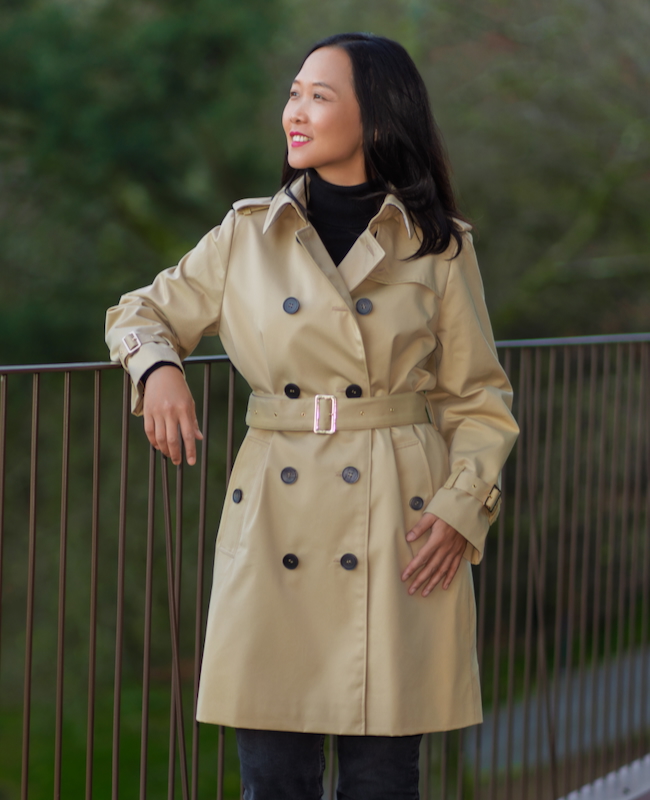
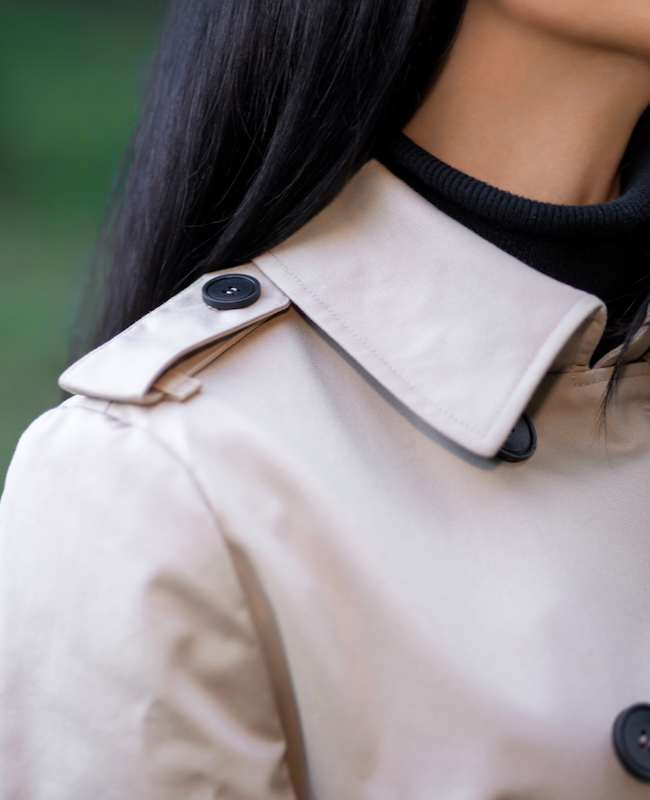
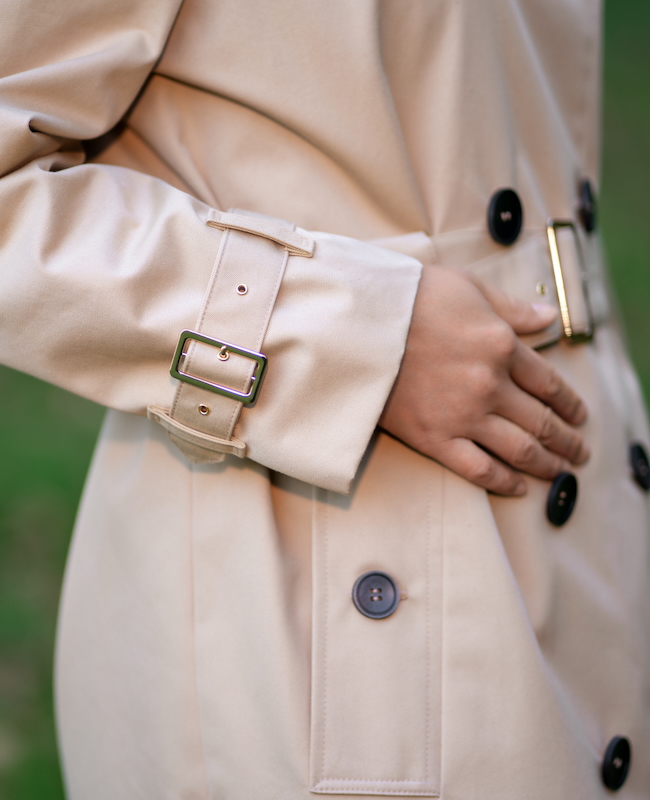
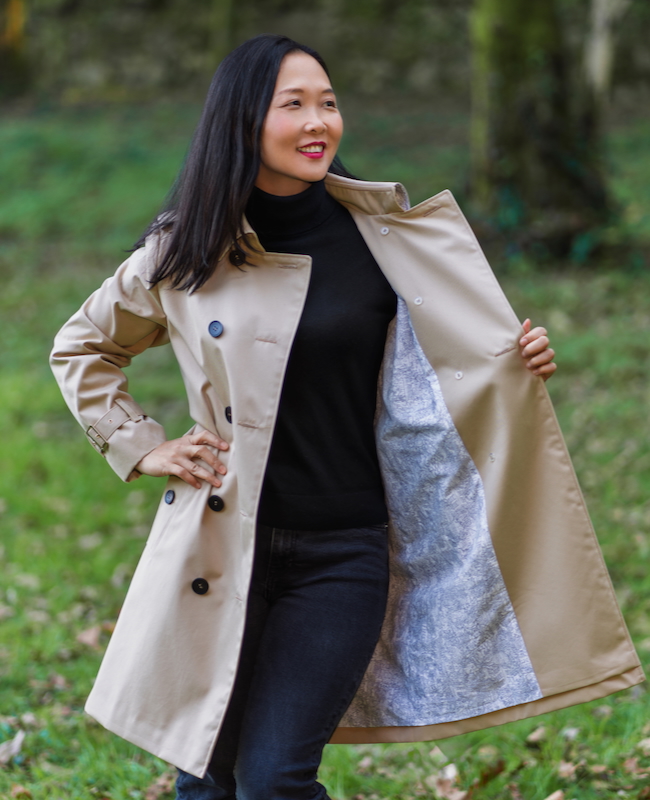
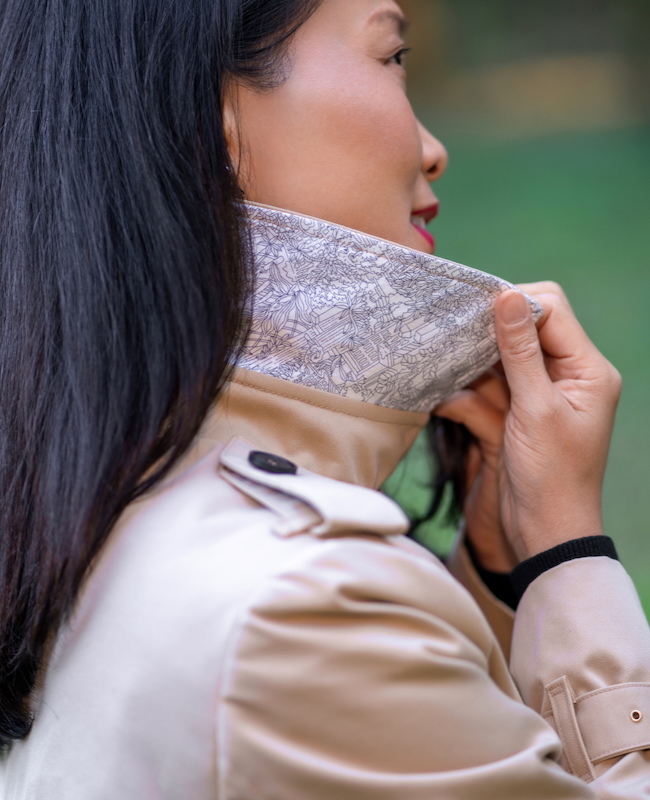
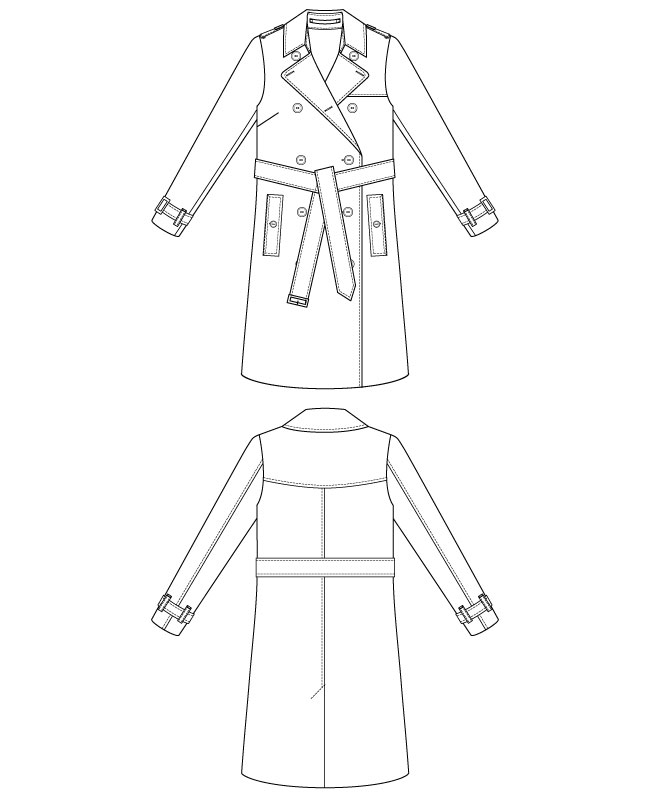
The Acari Trench is a tribute to the timeless elegance of the classic trench coat. Inspired by iconic designs, this pattern includes all the distinctive features that make a trench coat special: a gun flap, storm flap, epaulettes, sleeve bands, and buttoned welt pockets. Each detail has been thoughtfully incorporated to create a coat that is both functional and stylish. With its tailored fit and enduring style, the Acari Trench is a garment you’ll treasure and wear for years to come. Sewing this coat is a rewarding experience, and you’ll take immense pride in your beautifully crafted masterpiece.
Acari Trench Features:
Skill Level: Advanced
Sizes: 00 – 40 (See “Size Chart” tab below for detailed measurements)
Don’t want to print and tape paper together? The Acari Trench pattern now includes a large format file (size A0 paper) that you can send to your print shop to print!
| Buy More Save More Spend US$20 or more, get 15% off your entire cart Spend US$30 or more, get 20% off your entire cart Discount applies in cart automatically |
|---|
See Pattern Release Announcement for more photos.
| Sizes | 00 to 40 |
|---|---|
| Cup sizes | Regular + FBA |
| Skill level | Advanced |
| Knit or woven | Woven |
| File | A0, A4 / US Letter |
| Format | Digital download |
| Layers | Included |
| Seam allowances | Included |
Only logged in customers who have purchased this product may leave a review.
Primary Fabric Coating fabric such as gabardine, woolen, boiled wool and non-stretch fleece
Lining Broadcloth, viscose lining, acetate lining, cupro, Bemberg lining, silk habotai, satin
Interfacing A Lightweight woven or weft-insertion fusible interfacing
Interfacing B Lightweight knit tricot fusible interfacing
Sleeve Head Fabric Felt or woolen—you can also use primary fabric; this piece will not be visible in the final garment so color matching is not necessary
Other Materials
Optional Materials
Fabric Requirements
Most natural fibers shrink in the wash; be sure to have enough fabric. The requirements below assume that the fabric is already pre-shrunk.
| 00 | 0 | 2 | 4 | 6 | 8 | 10 | 12 | 14 | 16 | 18 | 20 | ||
|---|---|---|---|---|---|---|---|---|---|---|---|---|---|
| Primary Fabric | |||||||||||||
| 54″ Wide | yard | 3 1/4 | 3 1/4 | 3 1/2 | 3 1/2 | 3 1/2 | 3 1/2 | 4 1/4 | 4 1/4 | 4 1/4 | 4 1/4 | 4 1/2 | 4 1/2 |
| 135 cm Wide | cm | 290 | 290 | 320 | 320 | 320 | 320 | 380 | 380 | 380 | 380 | 410 | 410 |
| Lining | |||||||||||||
| 54″ Wide | yard | 1 7/8 | 1 7/8 | 2 1/8 | 2 1/8 | 2 1/8 | 2 1/8 | 2 1/2 | 2 1/2 | 2 1/2 | 2 1/2 | 2 5/8 | 2 5/8 |
| 135 cm Wide | cm | 170 | 170 | 190 | 190 | 190 | 190 | 230 | 230 | 230 | 230 | 240 | 240 |
| Interfacing A | |||||||||||||
| 32″ Wide | yard | 1 5/8 | 1 5/8 | 1 5/8 | 1 5/8 | 1 5/8 | 1 5/8 | 1 3/4 | 1 3/4 | 1 3/4 | 1 5/8 | 1 7/8 | 1 7/8 |
| 82 cm Wide | cm | 150 | 150 | 150 | 150 | 150 | 150 | 160 | 160 | 160 | 150 | 170 | 170 |
| Interfacing B | |||||||||||||
| 20″ Wide | yard | 1 for all sizes | |||||||||||
| 50 cm Wide | cm | 100 for all sizes | |||||||||||
| Sleeve Head Fabric | |||||||||||||
| 45″ Wide | yard | 1/4 | 1/4 | 1/4 | 1/4 | 1/4 | 1/4 | 1/4 | 1/4 | 1/4 | 1/4 | 1/4 | 1/4 |
| 115 cm Wide | cm | 20 | 20 | 20 | 20 | 20 | 20 | 20 | 20 | 20 | 20 | 20 | 20 |
| 22 | 24 | 26 | 28 | 30 | 32 | 34 | 36 | 38 | 40 | ||
|---|---|---|---|---|---|---|---|---|---|---|---|
| Primary Fabric | |||||||||||
| 54″ Wide | yard | 4 1/2 | 4 1/2 | 4 5/8 | 4 5/8 | 4 5/8 | 4 5/8 | 4 7/8 | 4 7/8 | 4 7/8 | 4 7/8 |
| 135 cm Wide | cm | 410 | 410 | 420 | 420 | 420 | 420 | 450 | 450 | 450 | 450 |
| Lining | |||||||||||
| 54″ Wide | yard | 2 5/8 | 2 5/8 | 3 1/8 | 3 1/8 | 3 1/8 | 3 1/8 | 3 1/4 | 3 1/4 | 3 1/4 | 3 1/4 |
| 135 cm Wide | cm | 240 | 240 | 280 | 280 | 280 | 280 | 300 | 300 | 300 | 300 |
| Interfacing A | |||||||||||
| 32″ Wide | yard | 1 7/8 | 1 7/8 | 2 1/8 | 2 1/8 | 2 1/8 | 2 1/8 | 2 1/4 | 2 1/4 | 2 1/4 | 2 1/4 |
| 82 cm Wide | cm | 170 | 170 | 190 | 190 | 190 | 190 | 200 | 200 | 200 | 200 |
| Interfacing B | |||||||||||
| 20″ Wide | yard | 1 for all sizes | |||||||||
| 50 cm Wide | cm | 100 for all sizes | |||||||||
| Sleeve Head Fabric | |||||||||||
| 45″ Wide | yard | 1/4 | 1/4 | 1/4 | 1/4 | 1/4 | 1/4 | 1/4 | 1/4 | 1/4 | 1/4 |
| 115 cm Wide | cm | 20 | 20 | 20 | 20 | 20 | 20 | 30 | 30 | 30 | 30 |
| inch cm |
00 | 0 | 2 | 4 | 6 | 8 | 10 | 12 | 14 | 16 | 18 | 20 |
|---|---|---|---|---|---|---|---|---|---|---|---|---|
| Regular Bust | 311⁄8 79 |
321⁄2 82.5 |
337⁄8 86 |
351⁄4 89.5 |
365⁄8 93 |
38 96.5 |
393⁄8 100 |
403⁄4 103.5 |
421⁄8 107 |
431⁄2 110.5 |
447⁄8 114 |
461⁄4 117.5 |
| Full Bust | 341⁄8 86.5 |
351⁄2 90 |
367⁄8 93.5 |
381⁄4 97 |
395⁄8 100.5 |
41 104 |
423⁄8 107.5 |
433⁄4 111 |
451⁄8 114.5 |
461⁄2 118 |
477⁄8 121.5 |
491⁄4 125 |
| Waist | 253⁄8 64.5 |
263⁄4 68 |
281⁄8 71.5 |
291⁄2 75 |
307⁄8 78.5 |
321⁄4 82 |
335⁄8 85.5 |
35 89 |
363⁄8 92.5 |
373⁄4 96 |
391⁄8 99.5 |
401⁄2 103 |
| Hip | 331⁄8 84 |
341⁄2 87.5 |
357⁄8 91 |
371⁄4 94.5 |
385⁄8 98 |
40 101.5 |
413⁄8 105 |
423⁄4 108.5 |
441⁄8 112 |
451⁄2 115.5 |
467⁄8 119 |
481⁄4 122.5 |
| inch cm |
22 | 24 | 26 | 28 | 30 | 32 | 34 | 36 | 38 | 40 |
|---|---|---|---|---|---|---|---|---|---|---|
| Regular Bust | 475⁄8 121 |
49 124.5 |
503⁄8 128 |
513⁄4 131.5 |
531⁄8 135 |
541⁄2 138.5 |
557⁄8 142 |
571⁄4 145.5 |
585⁄8 149 |
60 152.5 |
| Full Bust | 505⁄8 128.5 |
52 132 |
533⁄8 135.5 |
543⁄4 139 |
561⁄8 142.5 |
571⁄2 146 |
587⁄8 149.5 |
601⁄4 153 |
615⁄8 156.6 |
63 160 |
| Waist | 417⁄8 106.5 |
431⁄4 110 |
445⁄8 113.5 |
46 117 |
473⁄8 120.5 |
483⁄4 124 |
501⁄8 127.5 |
511⁄2 131 |
527⁄8 134.5 |
541⁄4 138 |
| Hip | 495⁄8 126 |
51 129.5 |
523⁄8 133 |
531⁄4 136.5 |
551⁄8 140 |
561⁄2 143.5 |
577⁄8 147 |
591⁄4 150.5 |
605⁄8 154 |
62 157.5 |
How to choose your size
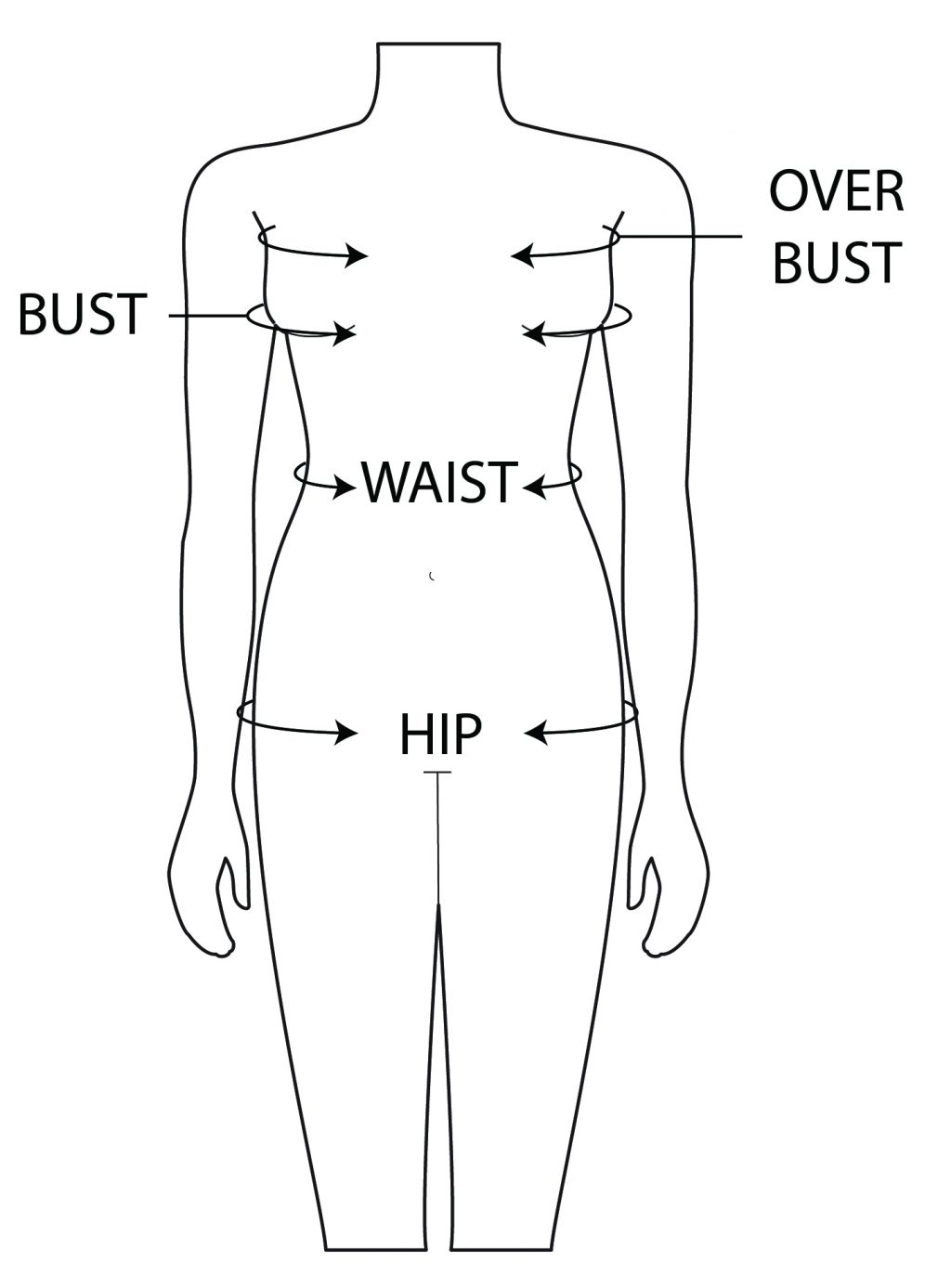
Determine if you should use the regular bust front pieces or the full-bust front pieces—subtract the circumference of your over bust from the circumference of the fullest part of your bust. If the rounded difference is 3″ (7.5 cm) or less, use regular bust; if it is more than 3" (7.5 cm), use full bust.
Compare your bust circumference (fullest part) to the “Body Measurements” table. Using the corresponding row for your bust (regular bust or full bust), choose the size that best fits your bust. If you are between sizes, choose the smaller size if you like your garment more fitted; otherwise, choose the bigger size.
Compare your waist circumference (narrowest part) to the “Body Measurements” table. Choose the size that best fits your waist. If you are between sizes, choose the smaller size if you like your garment more fitted; otherwise, choose the bigger size.
Compare your hip circumference (widest part) to the “Body Measurements” table. Choose the size that fits your hip best. If you are between sizes, choose the smaller size if you like your garment more fitted; otherwise, choose the bigger size.
It’s OK to use different sizes for the bust, waist and hip. The instructions for blending sizes are included in the pattern.


Crystal –
This sewing pattern was drafted professionally! I love how my trench coat turned out. It’s exactly how I want it to be… those pattern pieces are like puzzle pieces that fit perfectly to each other. I am so glad i have this sewing pattern. It’s a treasure!
Anne –
Have enjoyed sewing this pattern the instructions hold your hand throughout never thought I would be able to sew a trench coat but I love it, I think I may be making another. Thank you Kenis.