Description
See Pattern Release Announcement for more photos.

Original price was: US$13.00.US$10.40Current price is: US$10.40.
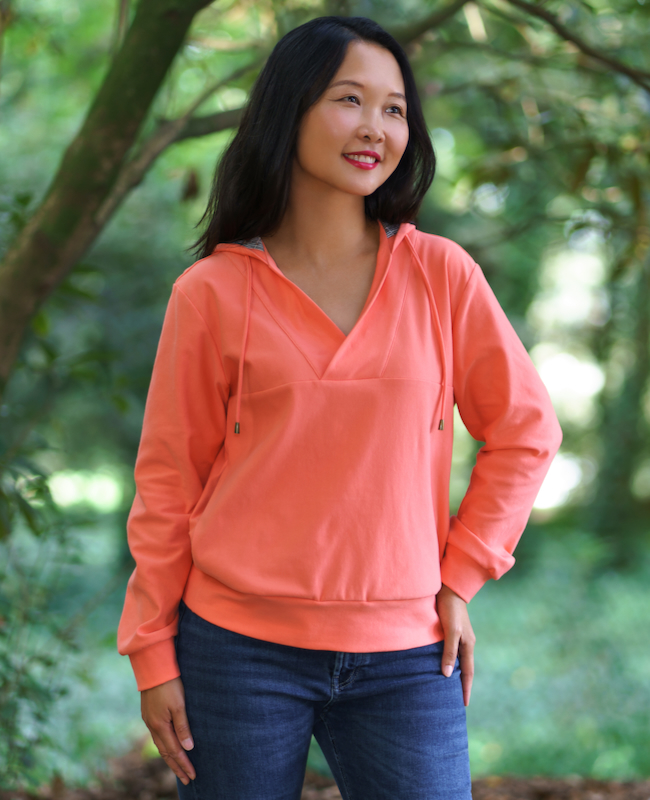
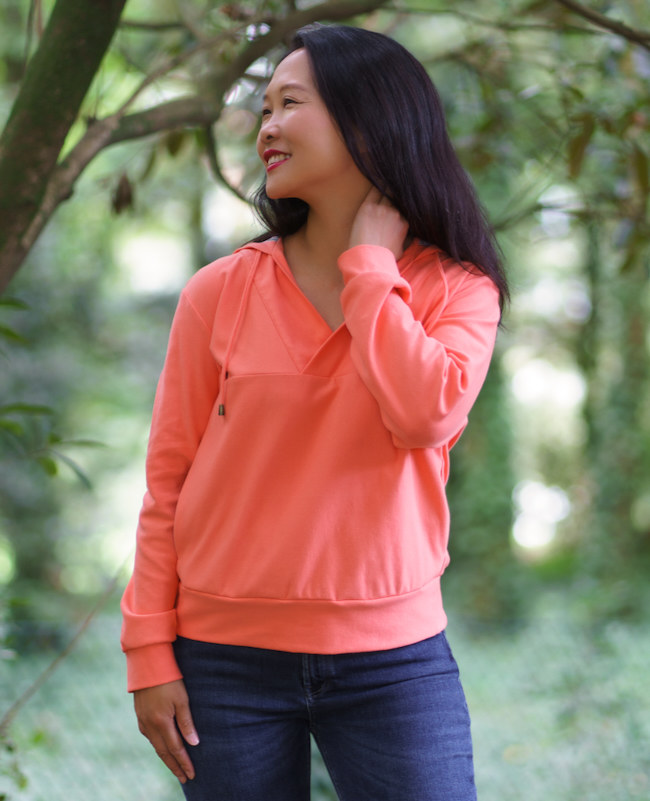
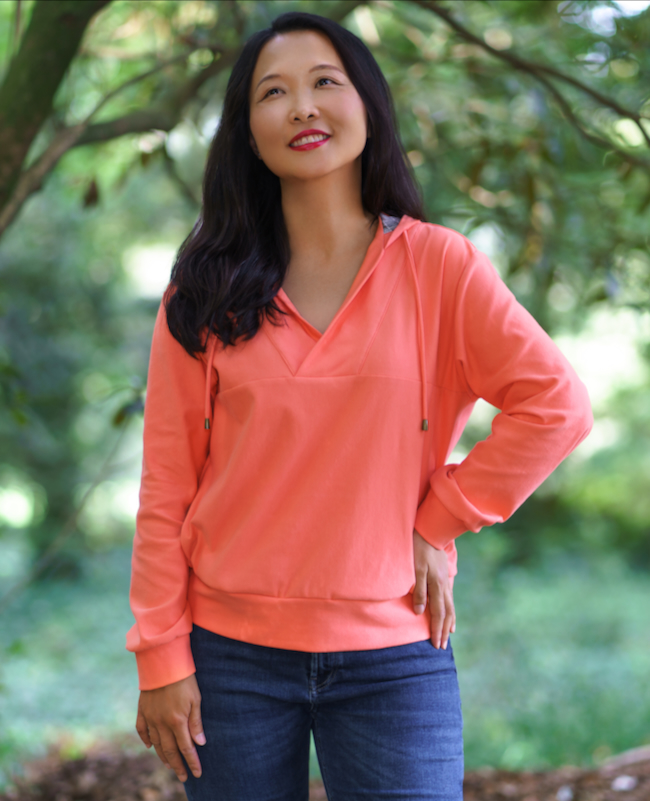
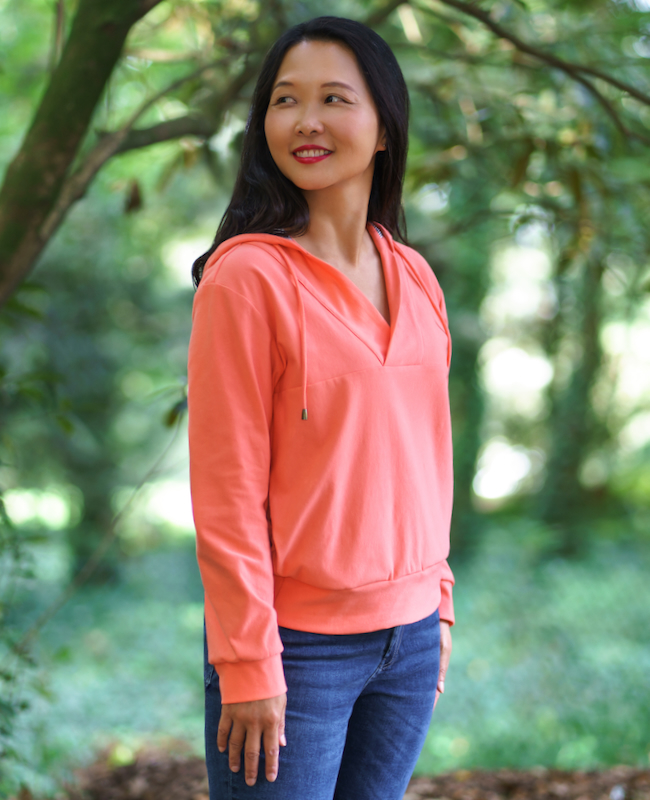
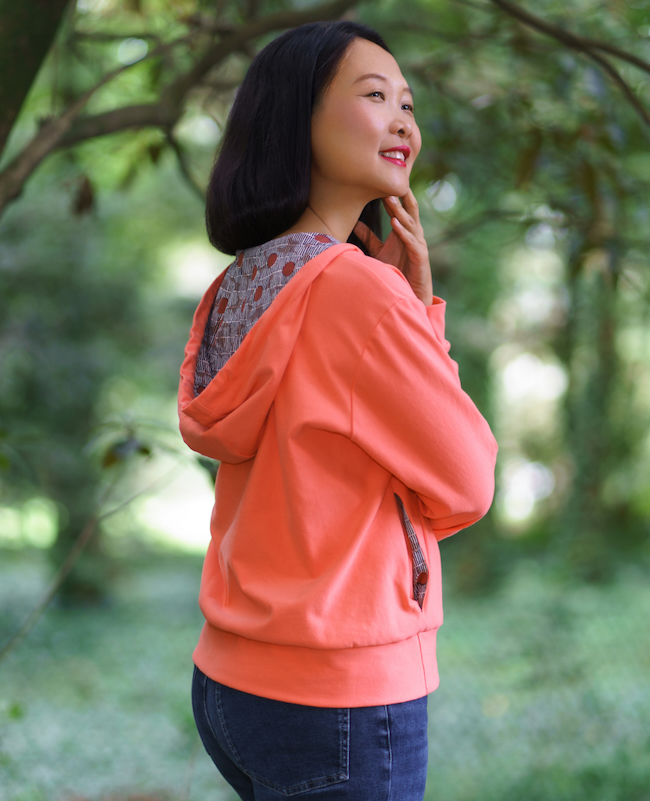
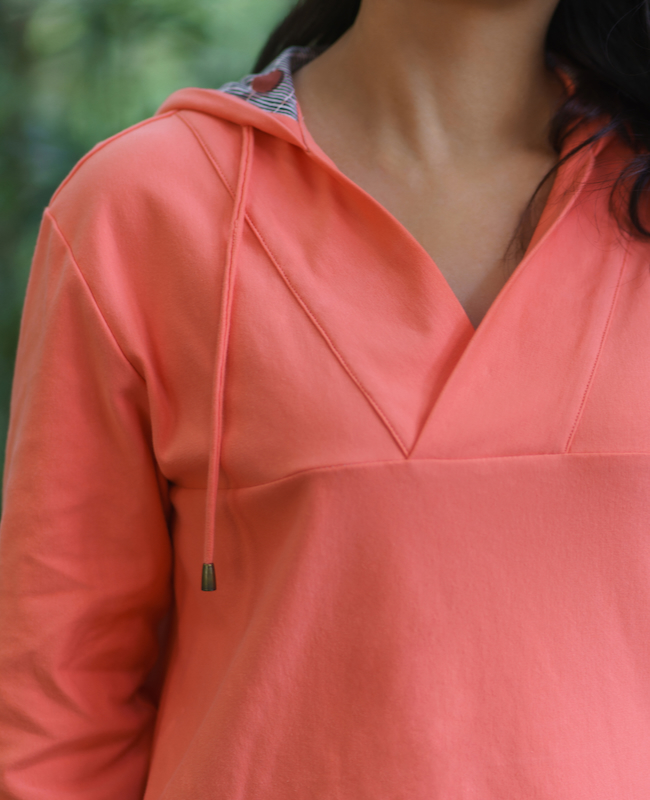
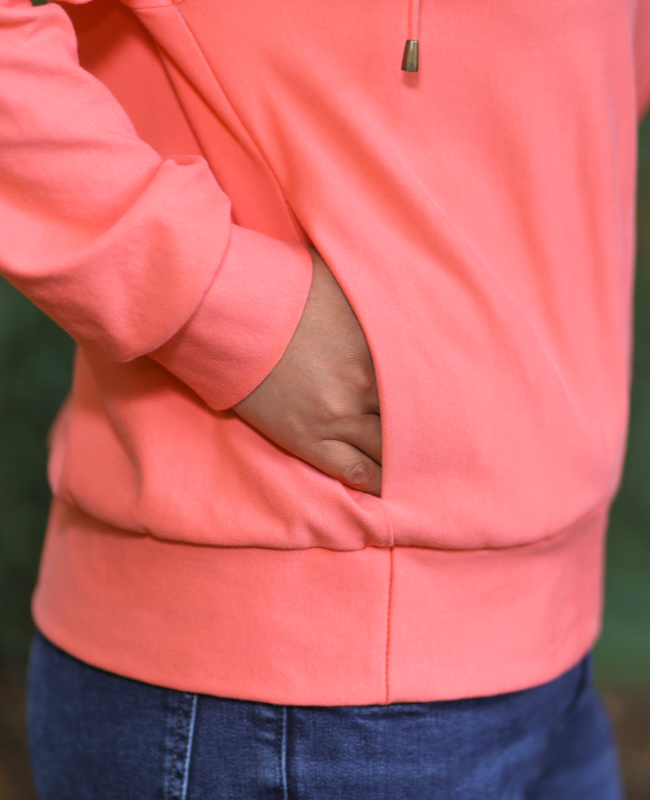
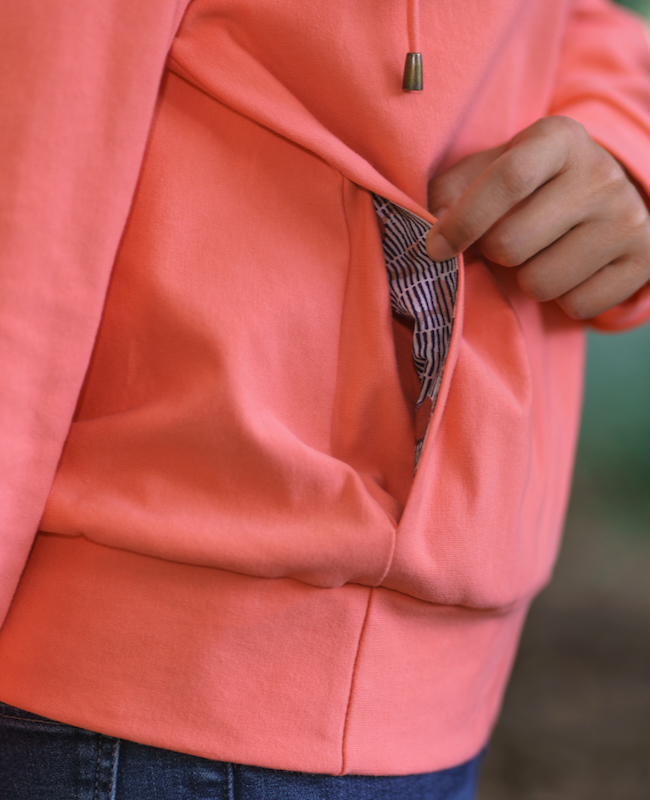
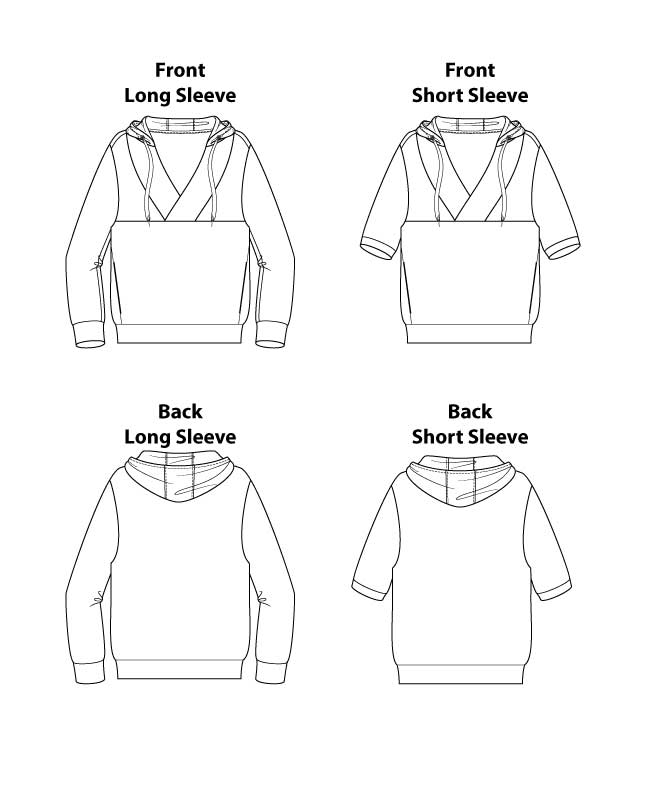
The Martigny Hoodie is an easygoing layer with a relaxed, modern feel. Its deep V-neck and softly dropped shoulders give it a flattering, effortless shape, while the lined hood and relaxed fit make it perfect for throwing on when you want a little extra comfort. Pair it with jeans for everyday wear, layer it over a tank or tee, or wear it with your favorite casual trousers for a comfortable look that still feels put together.
Martigny Hoodie Features:
Skill Level: Intermediate
Sizes: 00 – 40 (See “Size Chart” tab below for detailed measurements)
Your purchase includes the pattern in A4/Letter files, A0 files, and a projector file with all sizes.
| Buy More Save More Spend US$20 or more, get 15% off your entire cart Spend US$30 or more, get 20% off your entire cart Discount applies in cart automatically |
|---|
See Pattern Release Announcement for more photos.
| Sizes | 00 to 40 |
|---|---|
| Cup sizes | Regular + FBA |
| Skill level | Intermediate |
| Knit or woven | Knit, Woven |
| File | A0, A4 / US Letter, Projector |
| Format | Digital download |
| Layers | Included |
| Seam allowances | Included |
Only logged in customers who have purchased this product may leave a review.
Primary Fabric Use a medium-weight knit fabric with 50% horizontal and vertical stretch, with elastane (spandex) to provide good recovery, such as cotton Lycra, light- to medium-weight French terry, cotton/polyester/spandex sweatshirt knit, or rayon/viscose-spandex French terry.
Lining Use a very lightweight to lightweight knit or woven fabric, with or without elastane, such as cotton Lycra or voile. The lining fabric is used for the hood and pocket linings.
Other Material
Fabric Requirements
Most natural fibers shrink in the wash; be sure to have enough fabric. The requirements below assume that the fabric is already pre-shrunk.
| 00 | 0 | 2 | 4 | 6 | 8 | 10 | 12 | 14 | 16 | 18 | 20 | ||
|---|---|---|---|---|---|---|---|---|---|---|---|---|---|
| Primary Fabric | |||||||||||||
| Hoodie with Long Sleeves | |||||||||||||
| 54″ Wide | yard | 1 7/8 | 1 7/8 | 2 1/8 | 2 1/8 | 2 1/8 | 2 1/8 | 2 1/2 | 2 1/2 | 2 1/2 | 2 1/2 | 2 5/8 | 2 5/8 |
| 135 cm Wide | cm | 170 | 170 | 190 | 190 | 190 | 190 | 230 | 230 | 230 | 230 | 240 | 240 |
| Hoodie with Short Sleeves | |||||||||||||
| 54″ Wide | yard | 1 5/8 | 1 5/8 | 1 7/8 | 1 7/8 | 1 7/8 | 1 7/8 | 2 1/8 | 2 1/8 | 2 1/8 | 2 1/8 | 2 1/4 | 2 1/4 |
| 135 cm Wide | cm | 150 | 150 | 170 | 170 | 170 | 170 | 190 | 190 | 190 | 190 | 210 | 210 |
| Lining | |||||||||||||
| All Options | |||||||||||||
| 54″ Wide | yard | 5/8 | 5/8 | 5/8 | 5/8 | 5/8 | 5/8 | 5/8 | 5/8 | 5/8 | 5/8 | 5/8 | 5/8 |
| 135 cm Wide | cm | 50 | 50 | 50 | 50 | 50 | 50 | 60 | 60 | 60 | 60 | 60 | 60 |
| 22 | 24 | 26 | 28 | 30 | 32 | 34 | 36 | 38 | 40 | ||
|---|---|---|---|---|---|---|---|---|---|---|---|
| Primary Fabric | |||||||||||
| Hoodie with Long Sleeves | |||||||||||
| 54″ Wide | yard | 2 5/8 | 2 5/8 | 2 3/4 | 2 3/4 | 2 3/4 | 2 3/4 | 2 7/8 | 2 7/8 | 2 7/8 | 2 7/8 |
| 135 cm Wide | cm | 240 | 240 | 260 | 260 | 260 | 260 | 270 | 270 | 270 | 270 |
| Hoodie with Short Sleeves | |||||||||||
| 54″ Wide | yard | 2 1/4 | 2 1/4 | 2 1/2 | 2 1/2 | 2 1/2 | 2 1/2 | 2 5/8 | 2 5/8 | 2 5/8 | 2 5/8 |
| 135 cm Wide | cm | 210 | 210 | 230 | 230 | 230 | 230 | 250 | 250 | 250 | 250 |
| Lining | |||||||||||
| All Options | |||||||||||
| 54″ Wide | yard | 5/8 | 5/8 | 3/4 | 3/4 | 3/4 | 3/4 | 3/4 | 3/4 | 3/4 | 3/4 |
| 135 cm Wide | cm | 60 | 60 | 60 | 60 | 60 | 60 | 70 | 70 | 70 | 70 |
| inch cm |
00 | 0 | 2 | 4 | 6 | 8 | 10 | 12 | 14 | 16 | 18 | 20 |
|---|---|---|---|---|---|---|---|---|---|---|---|---|
| Regular Bust | 311⁄8 79 |
321⁄2 82.5 |
337⁄8 86 |
351⁄4 89.5 |
365⁄8 93 |
38 96.5 |
393⁄8 100 |
403⁄4 103.5 |
421⁄8 107 |
431⁄2 110.5 |
447⁄8 114 |
461⁄4 117.5 |
| Full Bust | 341⁄8 86.5 |
351⁄2 90 |
367⁄8 93.5 |
381⁄4 97 |
395⁄8 100.5 |
41 104 |
423⁄8 107.5 |
433⁄4 111 |
451⁄8 114.5 |
461⁄2 118 |
477⁄8 121.5 |
491⁄4 125 |
| Waist | 253⁄8 64.5 |
263⁄4 68 |
281⁄8 71.5 |
291⁄2 75 |
307⁄8 78.5 |
321⁄4 82 |
335⁄8 85.5 |
35 89 |
363⁄8 92.5 |
373⁄4 96 |
391⁄8 99.5 |
401⁄2 103 |
| Hip | 331⁄8 84 |
341⁄2 87.5 |
357⁄8 91 |
371⁄4 94.5 |
385⁄8 98 |
40 101.5 |
413⁄8 105 |
423⁄4 108.5 |
441⁄8 112 |
451⁄2 115.5 |
467⁄8 119 |
481⁄4 122.5 |
| inch cm |
22 | 24 | 26 | 28 | 30 | 32 | 34 | 36 | 38 | 40 |
|---|---|---|---|---|---|---|---|---|---|---|
| Regular Bust | 475⁄8 121 |
49 124.5 |
503⁄8 128 |
513⁄4 131.5 |
531⁄8 135 |
541⁄2 138.5 |
557⁄8 142 |
571⁄4 145.5 |
585⁄8 149 |
60 152.5 |
| Full Bust | 505⁄8 128.5 |
52 132 |
533⁄8 135.5 |
543⁄4 139 |
561⁄8 142.5 |
571⁄2 146 |
587⁄8 149.5 |
601⁄4 153 |
615⁄8 156.6 |
63 160 |
| Waist | 417⁄8 106.5 |
431⁄4 110 |
445⁄8 113.5 |
46 117 |
473⁄8 120.5 |
483⁄4 124 |
501⁄8 127.5 |
511⁄2 131 |
527⁄8 134.5 |
541⁄4 138 |
| Hip | 495⁄8 126 |
51 129.5 |
523⁄8 133 |
531⁄4 136.5 |
551⁄8 140 |
561⁄2 143.5 |
577⁄8 147 |
591⁄4 150.5 |
605⁄8 154 |
62 157.5 |
How to choose your size
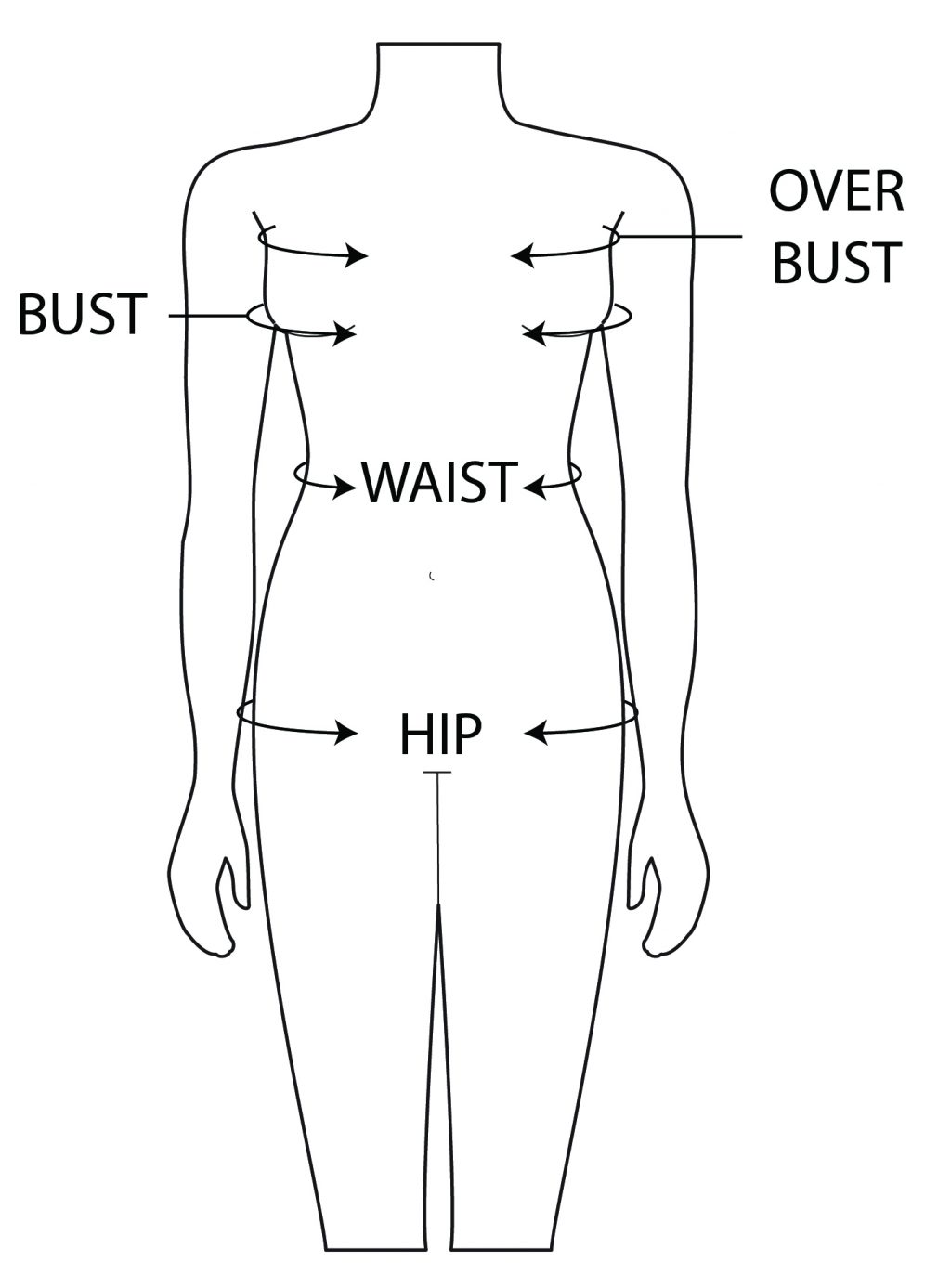
Determine if you should use the regular bust front pieces or the full-bust front pieces—subtract the circumference of your over bust from the circumference of the fullest part of your bust. If the rounded difference is 3″ (7.5 cm) or less, use regular bust; if it is more than 3" (7.5 cm), use full bust.
Compare your bust circumference (fullest part) to the “Body Measurements” table. Using the corresponding row for your bust (regular bust or full bust), choose the size that best fits your bust. If you are between sizes, choose the smaller size if you like your garment more fitted; otherwise, choose the bigger size.
Compare your waist circumference (narrowest part) to the “Body Measurements” table. Choose the size that best fits your waist. If you are between sizes, choose the smaller size if you like your garment more fitted; otherwise, choose the bigger size.
Compare your hip circumference (widest part) to the “Body Measurements” table. Choose the size that fits your hip best. If you are between sizes, choose the smaller size if you like your garment more fitted; otherwise, choose the bigger size.
It’s OK to use different sizes for the bust, waist and hip. The instructions for blending sizes are included in the pattern.





Reviews
There are no reviews yet.